Why MLS Keeps Getting Knocked Out of the CONCACAF Champions Cup — And Whether Anything Can Actually Fix It

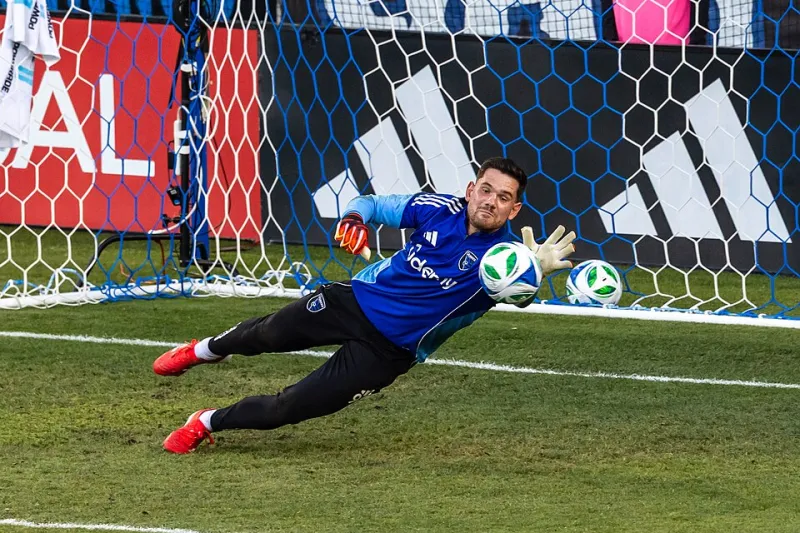
Photo: Quinn Sullivan, Public domain, via Wikimedia Commons
Every spring, it plays out like clockwork. An MLS club — maybe it's the Sounders, maybe Columbus, maybe a team that finally cracked their conference — steps onto a Liga MX side's turf and gets a rude reminder that continental competition operates on a different frequency entirely. The scorelines don't always look embarrassing, but the pattern is consistent enough to make you wonder: is this just bad luck, or is something more structural going on?
Spoiler: it's structural. But that doesn't mean it's permanent.
The Schedule Problem Nobody Wants to Talk About
Here's the thing most casual MLS fans don't immediately clock when they watch a Champions Cup collapse: the timing is brutal. MLS clubs are barely two or three weeks into preseason when the tournament kicks off. Players are still getting their legs under them. Tactical shape is being re-drilled. Some rosters haven't even been finalized yet.
Meanwhile, Mexican clubs from Liga MX are smack in the middle of their Clausura campaign. They've been playing competitive matches since January. Their pressing triggers are sharp. Their combinations are automatic.
"It's like asking someone to run a marathon after jogging for a week," one MLS assistant coach told us, speaking on background because he wasn't authorized to comment publicly. "We know it's coming every year and we still can't fully prepare for it because our league calendar doesn't allow it."
This isn't a new observation — coaches and analysts have flagged the schedule mismatch for years. But MLS hasn't shown a serious willingness to restructure its calendar around continental competition, and until that changes, American clubs will keep showing up underprepared.
Money Talks, and Liga MX Has the Mic
Beyond scheduling, the financial gap between MLS and Liga MX is stark in ways that directly affect roster depth and quality. The top Mexican clubs — Club América, Chivas, Tigres, Monterrey — operate with transfer budgets and wage structures that dwarf what most MLS sides can put together, even with Designated Player slots.
When Columbus Crew or New England Revolution face Tigres, they're not just facing better-rested opponents. They're facing clubs that spent real money in January, pulled in international talent from South America and Europe, and have squads built with continental competition specifically in mind.
"There's no shame in admitting the resource disparity," said a scout who works across both leagues. "But the gap is closing slower than people in MLS want to admit. The investment is real, but it's not translating yet at the continental level."
That last part is key. MLS has genuinely grown its spending over the past decade. Apple TV money is flowing in. Expansion fees have skyrocketed. But money invested in a league doesn't automatically convert to continental competitiveness — especially when that money is being spread across 30-plus clubs rather than concentrated in a handful of elite rosters.
The Tactical Identity Crisis
Watch enough Champions Cup games and a pattern emerges in how MLS sides struggle. It's not that they're getting outrun or physically dominated — the league has athletes. It's that they tend to fall apart in the moments that require calm, composed, positional play under pressure.
Liga MX teams press aggressively and with coordinated structure. When they win the ball in the middle third, their transitions are immediate and purposeful. MLS clubs, by contrast, often look like they're improvising in those same moments — clearing balls unnecessarily, losing shape out of possession, failing to hold a line.
A lot of that comes back to player development. The American soccer pipeline — high school, college, academy — still doesn't consistently produce the kind of technically complete midfielder or center back who can operate calmly in a high-pressure continental environment. The college route, still common for American players, prioritizes athleticism and results over technical development in a way that leaves gaps when players hit the pro level.
"You can coach fitness. You can coach tactics. What's harder to coach is the composure that comes from having played a lot of high-level soccer from a young age," one coach explained. "A lot of our guys are still building that when they hit 22, 23. In Mexico, those players already have it."
The Seattle Exception — And What It Actually Proves
It would be unfair to paint the whole picture as doom and gloom. The Seattle Sounders' 2022 Champions League title — the old format, before the rebrand — was a genuine landmark moment. They beat Pumas UNAM in the final, played with tactical discipline and physical intensity, and proved that an MLS side could win at the continental level.
But what made Seattle different? For one, they were deep into their regular season preparation by the time the tournament reached its later rounds. Their squad had stability and chemistry built over years. And critically, they had a coach in Brian Schmetzer who understood exactly what the moment required tactically.
The lesson isn't that MLS can't compete. It's that competing requires very specific conditions — and those conditions are hard to replicate consistently across different clubs.
Is There a Real Fix?
Several people we spoke to pointed to the same solutions: move MLS's season start to align better with continental competition, invest in academies with a longer-term view, and stop treating the Champions Cup as a secondary objective. The last point is cultural as much as structural — some MLS clubs openly prioritize league performance and view continental games as a distraction.
That mindset needs to flip. The Champions Cup is the most visible stage American club soccer gets internationally. Every early exit is a missed opportunity to build the league's global reputation.
With the 2026 World Cup coming to North American soil, there's an argument that MLS has never had a bigger incentive to take continental competition seriously. Whether that motivation translates into actual structural change — or just more of the same polite disappointment every spring — is the real question worth watching.