Fire, Hire, Repeat: The Hidden Price MLS Pays Every Time It Dumps a Coach

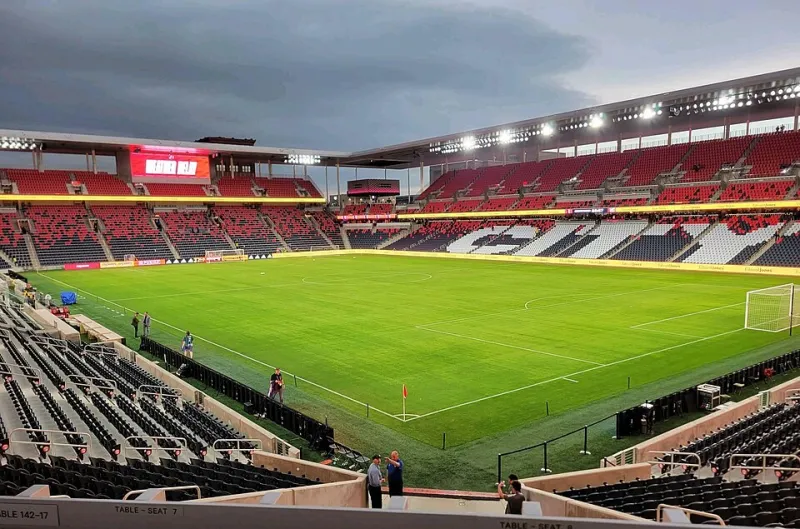
Photo: Ken Lund from Reno, Nevada, USA, CC BY-SA 2.0, via Wikimedia Commons
The average MLS head coach lasts about two years. In the Premier League, even accounting for the notoriously impatient clubs, that number is closer to three. In the Bundesliga, it stretches toward four. In Liga MX, where some managers have been in place for half a decade, the concept of firing a coach after a slow start to the season would be borderline scandalous.
In MLS, it's Tuesday.
The league's relationship with its coaches has become one of its defining structural problems — not because individual firings are always wrong, but because the cumulative pattern reveals something deeply dysfunctional about how ownership groups understand the connection between managerial stability and sustained success.
What the Numbers Actually Show
Pull the data from the past decade of MLS seasons and a pattern emerges that should make every ownership group uncomfortable. Clubs that maintained the same head coach for three or more consecutive seasons — a relatively modest bar — significantly outperformed league averages in both regular season points per game and playoff advancement rates. That's not a coincidence. It's causation.
Building a coherent tactical system takes time. Integrating a playing philosophy across a roster with high annual turnover — which MLS has in spades, thanks to its unique roster construction rules — takes even longer. Coaches who get fired in year two are almost always being dismissed precisely when their systems are starting to take root. The ownership groups pulling the trigger rarely stick around long enough to see what they've destroyed.
The financial toll is staggering when you add it up honestly. A mid-season coaching change doesn't just mean a buyout for the departing manager — though those can run into the millions. It means severance for assistants, a search process that can cost six figures in consultancy fees, a transition period where the interim staff is operating without authority to make meaningful decisions, and the inevitable roster churn that follows when a new manager arrives with different preferences. Conservative estimates put the all-in cost of a single coaching change at somewhere between $3 million and $6 million when you account for all the downstream effects. Some MLS clubs have absorbed that cost two or three times in a five-year span.
The Coaches Who Never Got to Finish What They Started
For every MLS coaching dismissal that looks justified in retrospect, there are two or three that look like ownership impatience masquerading as strategic decision-making. Think about the managers who were let go just as the evidence of their work was starting to show.
Several clubs over the past decade have dismissed coaches after two seasons of below-average results, only to watch their successors play a nearly identical style and reach the playoffs in year three — with the foundation the fired coach built. The credit went to the new hire. The work belonged to the guy who got shown the door.
This isn't a small problem. It's a league-wide culture that actively discourages the kind of long-term thinking that produces sustained success. When coaches know they're likely gone before their second offseason, they make conservative decisions. They don't push for the ambitious signings that might take time to integrate. They don't implement the tactical wrinkles that require months of repetition to execute cleanly. They manage for survival, not for excellence.
"You can't build a dynasty in 18 months," one recently dismissed MLS coach, who spoke on condition of anonymity, told us. "But you can absolutely destroy the foundation of one in that same time frame. That's what these ownership groups keep doing, and they don't even realize it."
How MLS Ownership Culture Differs From the Rest of the World
The comparison to European club ownership is instructive, but you have to be careful not to romanticize it. European clubs fire coaches too — sometimes even faster than MLS. But the European model, at its best, includes a kind of institutional patience that's almost entirely absent in MLS.
Part of that is structural. European clubs generally have a director of football or sporting director who sits above the coach in the hierarchy and provides continuity when managers change. The philosophy of the club — its style of play, its recruitment approach, its youth development priorities — lives in that sporting director role, not in the head coach's office. When the manager goes, the DNA of the club doesn't leave with him.
MLS clubs have been slowly adopting this model, but inconsistently and often superficially. Too many clubs still operate with ownership groups that have direct lines into coaching decisions, bypassing whatever sporting structure exists on paper. When the owner decides it's time for a change, it happens, regardless of what the technical staff recommends.
The franchised nature of MLS also creates a different psychological dynamic than you'd find at a club with a century of history. MLS ownership groups tend to think in terms of business cycles and return on investment — which are entirely legitimate frameworks for running a sports franchise, but they don't map cleanly onto the timelines that winning soccer requires.
What a Structural Fix Would Actually Look Like
The league isn't powerless here, even if individual clubs are making individual decisions. MLS could take meaningful steps to change the incentive structure around coaching tenure.
One model worth considering: a luxury tax equivalent for coaching changes, where clubs that dismiss a manager before a minimum tenure threshold pay into a league-wide fund. It's blunt, but it would force ownership groups to think twice before pulling the trigger on a coach who's 12 months into a three-year project.
A stronger push for genuine sporting director infrastructure — with real authority, not just a title — would help insulate coaching decisions from the kind of short-term ownership panic that drives most premature dismissals. Mandatory transition periods before a new coach can make sweeping roster changes would also help preserve the developmental work that tends to get bulldozed every time a new manager arrives with a blank slate mentality.
None of this happens without the league itself deciding that coaching stability is a competitive priority, not just a nice idea. And right now, the evidence suggests MLS hasn't made that decision.
The Dynasty That Never Was
Somewhere in MLS's recent history, there's a dynasty that didn't happen. A coach who had the right players, the right system, and the right market — and got fired before the pieces could come together. We'll never know which one it was, because dynasties that get interrupted before they start don't leave a trace.
That's the real cost of the carousel. Not just the money, not just the disruption, but the version of MLS that could have existed if someone had been willing to wait.