Smarter, Not Richer: The MLS Club That Figured Out How to Win Without Throwing Money at the Problem
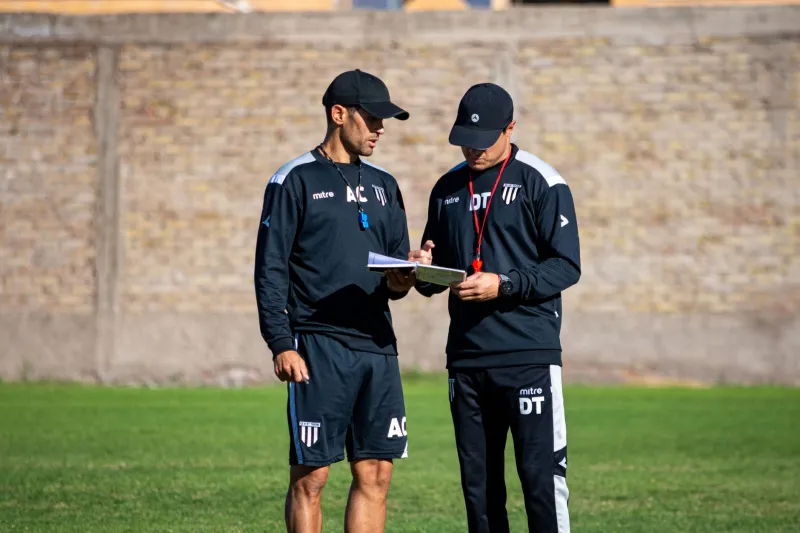
There's a version of MLS success that everybody recognizes. Big signing. Sold-out press conference. Jersey sales spike. Wins may or may not follow — but the attention definitely does. Then there's the quieter kind of success, the kind that doesn't trend on social media but shows up in the standings year after year without the club ever having to mortgage its future to get there.
One type of MLS organization is building a legacy. The other is buying a moment.
The frustrating part? Everyone in league offices across the country can see the difference. And yet the copycat impulse — the one that should be pointing clubs toward the sustainable model — keeps getting overridden by the short-term pressure to make noise.
What "Sustainable" Actually Looks Like in Practice
When we talk about a mid-market MLS club operating responsibly, it's easy to picture a team just scraping by — grinding out draws, losing key players every January, perpetually rebuilding. That's not what this is.
The clubs that have genuinely cracked the code on sustainable competition share a few unmistakable traits. Their rosters are built around value, not vanity. They identify players before those players become expensive — in lower American divisions, in Latin American leagues that don't carry European price tags, and increasingly through their own academies. The scouting infrastructure isn't glamorous, but it works.
More importantly, these organizations are run like actual businesses rather than passion projects funded by an owner's ego. There's a coherent transfer strategy. There are defined roles for every position on the field. And critically, there's a willingness to sell players at peak value rather than holding on for sentimental reasons and watching them walk for nothing.
That last part is where a lot of clubs still flinch.
The Recruitment Philosophy That Changes Everything
Here's the core tension in MLS roster-building: the league's salary cap and roster rules create a system where smart decisions compound over time, but most front offices behave like they're one bad season away from a complete overhaul. That mindset kills continuity before it can take root.
The clubs operating on a genuinely sustainable model treat recruitment like a long game. They're not reacting to what happened last October — they're executing a plan that was drawn up eighteen months ago. When a target becomes available, they already know the player. The relationship has been built. The fit has been assessed. The offer doesn't come out of nowhere.
Contrast that with the emergency-room approach that defines too many MLS transfer windows: a playoff exit triggers panic, panic triggers a phone call to an agent, and suddenly the club is overpaying for a player who fits the vibe more than the system.
The sustainable clubs aren't immune to urgency — every club faces it — but they've built enough depth and organizational clarity that urgency doesn't become desperation.
Youth Development: The Pipeline Nobody Wants to Wait For
Academy investment is the part of this conversation where front offices love to nod along and then do nothing meaningful. Every MLS club will tell you they're committed to youth development. The numbers tell a different story.
The clubs that actually get this right have academies that function as genuine talent pipelines, not PR exercises. Players from the academy don't just get ceremonial first-team minutes — they compete for real spots and earn real playing time based on merit. The coaching staff at the youth level is coordinated with the first team's tactical identity, so players arriving from the academy already understand the system. There's no translation period, no re-learning from scratch.
This takes years to build and requires consistency in coaching philosophy that most MLS clubs simply haven't maintained. When a head coach gets fired — and in MLS, they almost always do — the tactical identity often gets wiped along with him. The academy kids who were trained for one system are suddenly square pegs in a round hole.
The clubs that have avoided this trap have done so by separating the academy's identity from any individual coach's preferences. The philosophy belongs to the organization, not the person holding the clipboard.
Front Office Structure: Boring Decisions, Beautiful Results
None of this works without a front office that actually knows what it's doing — and more importantly, one that's empowered to make decisions without an owner overriding everything based on a gut feeling.
The best-run mid-market MLS clubs have clear lines of authority. The sporting director controls roster decisions. The head coach controls the locker room. The business side controls revenue. These lanes don't cross in chaotic ways. When there's disagreement, there's a process for resolving it that doesn't end with whoever has the most money winning the argument.
Owner interference is one of the most underreported problems in MLS. It doesn't make headlines because owners don't give press conferences about the call they made to sign someone the sporting director didn't want. But it happens constantly, and it quietly wrecks the coherent planning that sustainable clubs depend on.
The organizations that have gotten this right — that have built real, replicable structures — tend to have owners who are genuinely invested in the process rather than just the outcome. They've accepted that building something durable means giving up some control and trusting the people they hired.
So Why Isn't Everyone Doing This?
Honestly? Because it's hard to sell patience to a fanbase that's been promised a trophy. It's hard to explain to a new supporter why you're passing on a recognizable name to sign a 22-year-old from Uruguay they've never heard of. It's hard to convince local media that a quiet transfer window was actually a good one.
The clubs chasing stars get the back page. The clubs building systems get the results — but the results come slowly enough that by the time they arrive, the people who built them have often moved on.
There's also a structural incentive problem. MLS expansion fees have created an environment where some owners entered the league primarily as real estate plays or brand-building exercises. Winning soccer games is nice, but it's not always the primary motivation. That changes what decisions get made and why.
The Real Question
The blueprint exists. It's not a secret. A handful of clubs are running it right now, and their consistency in the standings is the proof. The question isn't whether the model works — it clearly does. The question is whether enough MLS decision-makers are willing to do the unglamorous work of actually implementing it.
Based on what we've seen so far, the answer is: not nearly enough of them.
And that's a shame, because American soccer is at a moment where getting this right really matters. The 2026 World Cup is coming. The spotlight is going to be enormous. The clubs that show up to that moment with coherent organizations and developed rosters will look like visionaries. The ones still scrambling to sign a household name at the last minute will look like exactly what they are.
The blueprint is there. Someone just has to be willing to follow it.