Bright Futures, Blurry Endings: What Keeps Happening to America's Most Hyped Young Soccer Players
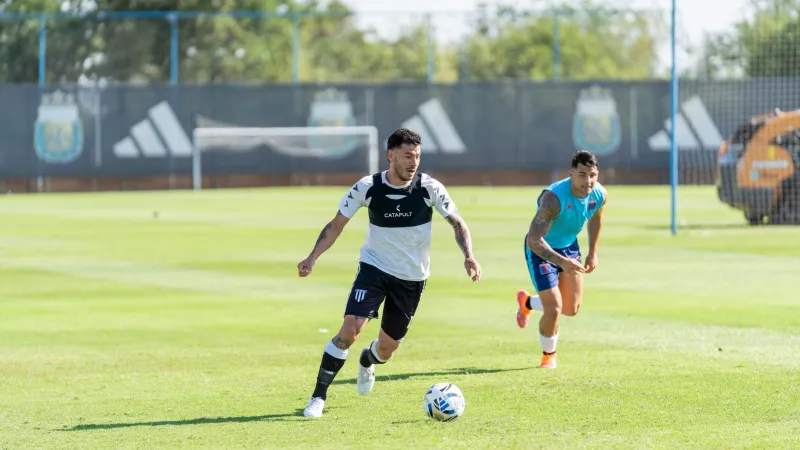
There's a ritual American soccer fans know all too well. A teenager tears through MLS or catches fire in a youth tournament. The internet loses its mind. Comparisons to European stars start flying. Someone at a mid-table Bundesliga or Championship club takes a flyer on them. And then — silence. A few years later, you're checking a roster and squinting at the name, wondering how it all went sideways.
This isn't a one-off story. It's a pattern. And it's worth asking, seriously and without the usual excuse-making, why American soccer keeps producing prospects that fizzle before they ever fully ignite.
The Hype Machine Starts Early — Maybe Too Early
American sports culture is wired to anoint. We love a rising star narrative, and soccer has gotten very good at feeding that machine. Academies now have social media presences. Homegrown signings get press releases. A 17-year-old making three substitute appearances becomes a generational talent in the headlines.
The problem isn't the excitement — it's what comes after. When a young player gets loaded up with expectation before they've actually earned it through consistent performance, the psychological weight alone can be crushing. Coaches, clubs, and even fans start treating potential like it's already been realized. And when the player inevitably hits a rough patch — which every developing player does — the narrative flips hard in the other direction.
Europe's elite development systems don't work this way. A kid at Ajax or Dortmund's academy might be considered a genuine prospect for years before anyone outside the club even hears their name. The pressure is managed. The timeline is longer. American soccer, by contrast, often wants its return on investment immediately.
The MLS Middle Ground Problem
Here's where it gets complicated. MLS has improved its development infrastructure dramatically over the past decade. Academies are better funded, coaching staffs are more sophisticated, and the Homegrown Player rule has given young Americans a real pathway to first-team minutes. That's all genuinely good.
But MLS is also, structurally, a league that sits in an awkward middle space. It's competitive enough that a 21-year-old needs to actually perform to keep their spot, but not demanding enough to prepare players for the physical and tactical intensity of a top European division. Players who are excellent in MLS sometimes arrive in the Championship or the Eredivisie and look a half-step slow — not because they aren't talented, but because the game they've been playing hasn't sharpened every edge they need.
Take a look at the career arcs of players like Freddy Adu, Jozy Altidore's early years in Spain, or more recently some of the highly-touted MLS Homegrowns who made moves abroad and found themselves rotating in and out of obscurity. The jump from MLS-ready to Europe-ready is real, and it's wider than the league wants to admit.
Coaching Consistency: The Variable Nobody Talks About Enough
One underrated factor in player development is coaching continuity. Elite clubs in Europe often have youth development philosophies that run from the under-10s all the way through the first team. A player learns the same positional principles, the same pressing triggers, the same build-up patterns for a decade before they ever play a professional minute. The system does half the work.
In American soccer, coaching turnover at both the club and national team level is brutal. A kid might play under three or four different head coaches between ages 16 and 22, each with a different system, different expectations, different ideas about their role. Instead of building on a foundation, they're constantly starting over. Skills that should become instinctive stay situational. Decision-making that should be automatic stays deliberate.
This isn't unique to MLS — it's a problem across the American soccer ecosystem, from youth clubs to college programs to the national team setups. Until there's more philosophical consistency threading through the whole pipeline, players will keep arriving at their mid-twenties with a patchwork of influences and no real identity as footballers.
The Exposure Gap
There's also a straight-up competition gap that's hard to paper over. The players who do make the leap — Christian Pulisic, Weston McKennie, Tyler Adams before his injury troubles — all had one thing in common: they got to elite European environments before they were fully formed. Pulisic was at Dortmund's academy at 16. McKennie was in Schalke's system at 18. They didn't arrive in Europe as finished products. They were shaped by it.
The players who stall out often spend their most formative years in an environment that isn't quite demanding enough, then try to make the move at 22 or 23, when habits are set and adaptation is harder. By that point, European clubs aren't interested in projects — they want players who can contribute now. The window has closed, not because the talent wasn't there, but because the timing was off.
This is one argument for why more American families are considering European academies directly, bypassing the domestic pathway entirely. It's a drastic step, and it's not realistic for most players, but the underlying logic isn't wrong.
Are the Expectations Just Unrealistic?
It's also worth being honest about something uncomfortable: not every highly-touted prospect was ever going to be a star. American soccer has a relatively small pool of elite talent compared to nations where the sport is the dominant cultural force. When you're working with a limited pool, the margin between a genuine top-100-in-the-world player and a solid professional is razor thin — but the expectations fans and media project onto both can be identical.
Some of the players we mourn as failures were actually pretty good soccer players who had reasonable professional careers. The disappointment comes from the gap between the hype and the reality, not necessarily from the reality itself. Managing that gap — being more measured in how we talk about young talent — would save a lot of heartbreak on all sides.
What Would Actually Help
If there's a fix here, it's probably not one big thing. It's a dozen small things done consistently over a long time. More coaching continuity at every level. Smarter loan structures that get young American players into genuinely competitive European environments earlier. Less media hysteria around teenagers who've played a handful of professional games. And a longer, more patient development timeline that doesn't treat a player as a finished product at 22.
The American players who have broken through internationally didn't do it because the system finally worked. Most of them did it despite the system, through combinations of individual drive, family sacrifice, and timing that bordered on lucky. That's not a development pipeline. That's a lottery.
Until the infrastructure catches up with the ambition, we're going to keep watching bright futures fade into blurry endings — and keep asking ourselves why nobody saw it coming.