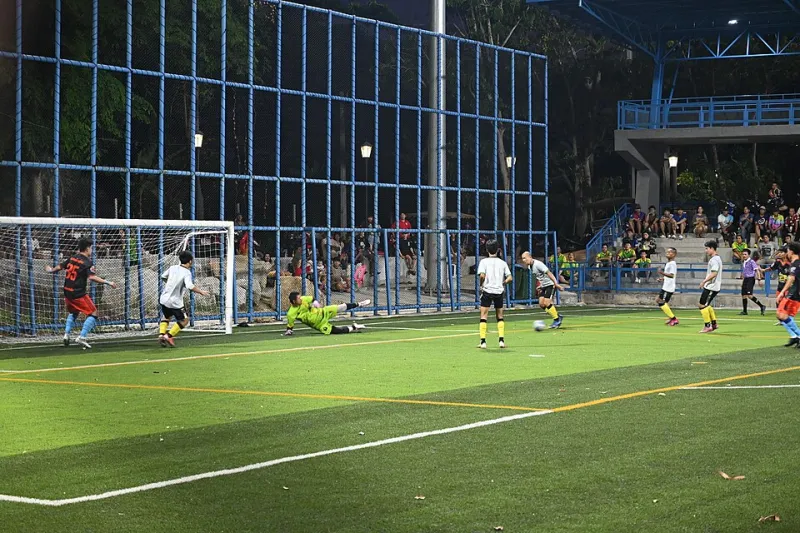
My Eyes Were on the Match, But My Thumbs Were Elsewhere: Confessions of a Second Screen Addict

Photo by Photo by Vitaly Gariev on Unsplash on Unsplash
Let me describe my last Saturday, and see if it sounds familiar.
Goal happens. I don't celebrate. I refresh a timeline to see how other people are reacting to the goal. Then I check the expected goals figure. Then I glance at my fantasy points. Then I notice someone has a bad take about the offside, and suddenly I'm typing a reply to a stranger in another time zone while the ball is back in play at the actual stadium I'm supposed to be watching.
I watched the whole match. I couldn't tell you a single sustained passage of play.
The Scoreboard in Your Pocket
The second screen stopped being optional somewhere in the last five years. Broadcasters built graphics for it. Leagues built apps for it. Sportsbooks built entire business models on it. The phone isn't a companion to the match anymore — for many fans, it is the match, with the TV reduced to ambient noise and a place to glance when the timeline gets quiet.
There are upsides, and it's worth being honest about them. The second screen has democratized analysis. A fan in Ohio can pull up pressing maps and possession stats that used to live inside a club's coaching staff. Casual viewers learn the game faster. And for supporters of teams whose matches aren't televised locally, the phone is often the only lifeline to their club at all.
What Gets Lost in the Scroll
But here's my concern, and I'll own it personally: I have forgotten how to just watch. Soccer is a game of rhythm — the boring spells are where the tension builds, the off-ball movement tells the real story, and the emotional payoff only lands if you've sat through the buildup. The second screen amputates all of that. It converts a ninety-minute narrative into a feed of discrete moments, each one immediately outsourced to public opinion before I've formed my own.
Worse, it changes what I remember. Ask me about a match I watched live and I'll recall a tweet, a stat graphic, a betting slip result. The actual football has become the B-roll of my own viewing experience.
What the Leagues Gain — and Lose
Broadcasters know this, and they've adapted in ways both good and cynical. Good: alternative feeds, real-time stat overlays, interactive watch-alongs that meet fans where they already are. Cynical: a creeping belief that the product needs to be chopped into clippable moments, that quiet midfield phases are dead air, that the game itself is just raw material for the content economy around it.
That's the trap. If leagues optimize the broadcast for the distracted viewer, they risk training the next generation to never watch continuously at all. The atmosphere of a packed stadium — the thing that makes soccer soccer — doesn't survive being experienced as a scroll.
An Experiment Worth Trying
Here's my modest proposal, which I'm imposing on myself before anyone else: one match a week, phone in another room. Full ninety minutes, no timeline, no live stats, no hot takes until after the final whistle. Just the game.
I tried it last weekend. The first twenty minutes were genuinely uncomfortable — my thumb kept twitching toward a device that wasn't there. But somewhere in the second half, I noticed a defender shepherding a striker all game, a duel that never made any highlight feed and no stat sheet captures. I felt the goal when it came instead of reading about it.
The second screen isn't going anywhere, and it shouldn't. But American soccer culture is at a fork: we can let the feed consume the match, or we can decide, occasionally and deliberately, that the match is enough. Ninety minutes. One screen. Eyes up.
The timeline will still be there at full time. The game might not be.